

Many people view the body as a collection of separate systems, but recent studies suggest these systems are more interconnected than we previously thought. One of the most intriguing connections is the relationship between gut health and mental health. This connection, often referred to as the “gut-brain axis,” has garnered significant attention in both the medical and psychological communities. But what does this axis mean for your mental well-being? Let’s delve into the fascinating world of gut health and explore how it affects our mood, behavior, and overall mental health.
Table of Contents
Understanding the Gut-Brain Axis
The gut-brain axis is a complex communication network that links the gut with the brain. It involves various pathways, including neural connections, hormones, and immune system responses. The primary conduit for this communication is the vagus nerve, which runs from the brainstem to the gut. This connection allows the brain and gut to exchange information rapidly, impacting both physical and mental functions.
The Role of Gut Microbiota
At the heart of gut health is the microbiota, a community of trillions of microorganisms, including bacteria, viruses, and fungi. These microbes play a crucial role in digestion, immune function, and even the production of neurotransmitters like serotonin and dopamine. Serotonin, often called the “feel-good” neurotransmitter, is responsible for regulating mood, sleep, and appetite. Interestingly, about 95% of serotonin is produced in the gut, highlighting the significant influence of gut health on our emotions.
The Connection Between Gut Health and Mental Health
Given the direct connection between the gut and brain, it’s no surprise that gut health can impact mental health in various ways. Here are some key points:
- Mood and Emotions: A healthy gut can promote positive moods, while an imbalance in the gut microbiota may lead to symptoms of depression and anxiety. Certain bacteria produce compounds that can influence brain function, and an imbalance may disrupt this delicate balance.
- Anxiety and Stress: Studies have shown that individuals with gut disorders like irritable bowel syndrome (IBS) are more prone to anxiety and stress-related disorders. The gut’s influence on the brain’s stress response can trigger or exacerbate these conditions.
- Cognitive Function: Emerging research suggests that gut health can impact cognitive functions such as memory and focus. A healthy gut microbiota may contribute to better mental clarity and reduced brain fog.
- Immune System and Inflammation: The gut plays a pivotal role in immune function. Chronic inflammation in the gut can lead to systemic inflammation, which is linked to several mental health conditions.
Improving Gut Health for Better Mental Health
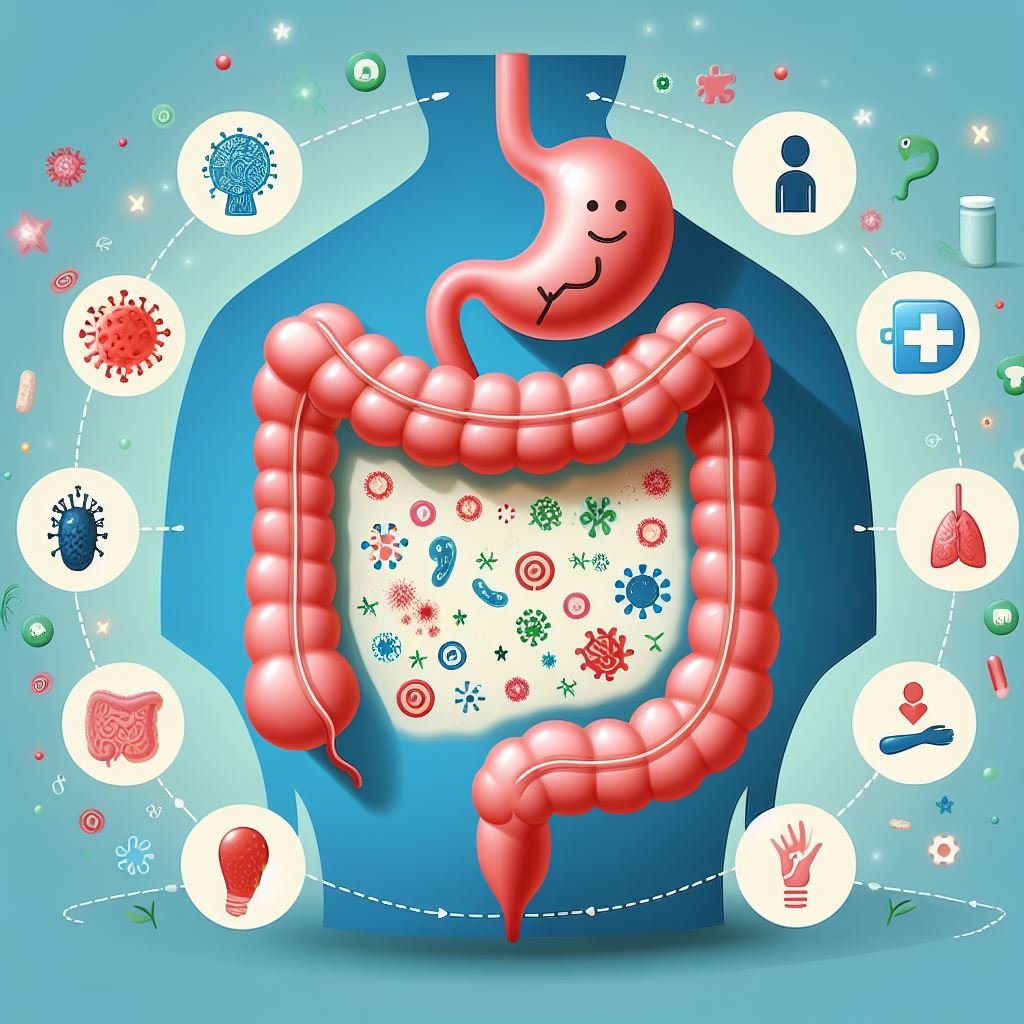
Improving gut health impacts your overall health and your mental health positively. Here are some strategies to promote a healthy gut:
- Balanced Diet: Your diet should be rich in fiber, fruits, vegetables, and whole grains. These foods support the growth of beneficial gut bacteria.
- Probiotics and Prebiotics: Probiotics are live bacteria that provide health benefits when consumed, while prebiotics are non-digestible fibers that nourish these bacteria. Incorporate both into your diet through foods like yogurt, kefir, sauerkraut, and garlic.
- Regular Exercise: Physical activity can positively affect gut health by promoting a diverse microbiota and reducing inflammation.
- Adequate Sleep: A regular sleep schedule supports the gut-brain axis and reduces stress levels.
- Stress Management: Practices like meditation, yoga, and deep breathing can reduce stress and improve gut health.
Does Gut Health Affect Mental Health?
Absolutely! The connection between gut health and mental health is complex and multifaceted. The gut-brain axis allows these two systems to communicate, impacting mood, stress, and even cognitive function. By taking steps to improve gut health, you can positively affect your mental health and overall well-being.
FAQs
Can a poor diet lead to mental health issues?
Yes, a diet high in processed foods and low in fiber can disrupt the gut microbiota, potentially leading to mental health issues like anxiety and depression.
Are there specific foods that support gut health?
Foods rich in fiber, like whole grains, fruits, and vegetables, are excellent for gut health. Probiotic foods like yogurt and fermented vegetables also support a healthy microbiota.
How does stress affect gut health?
Stress can disrupt the balance of the gut microbiota and increase inflammation, leading to digestive issues and potentially impacting mental health.
Can probiotics help with mental health issues?
Probiotics may support a healthy gut microbiota, which can positively impact mood and stress levels. However, professional mental health treatment cannot be substituted with supplements or probiotics.
What lifestyle changes can improve gut health?
Adopting a balanced diet, exercising regularly, getting adequate sleep, and managing stress are effective ways to improve gut health.
Is the gut-brain axis well understood?
While much progress has been made, the gut-brain axis is still a field of active research, with ongoing studies exploring its complexities and implications.
Conclusion
The link between gut health and mental health is a compelling topic that continues to attract scientific interest. By understanding the gut-brain axis and how it impacts our well-being, we can take proactive steps to improve our gut health and, in turn, support our mental health. From dietary changes to stress management, there are many ways to nurture this connection and foster a healthier, happier mind and body.
This article is intended for general informational purposes only and is not a substitute for professional medical advice, diagnosis, or treatment. Please consult with a qualified healthcare provider with any questions you have regarding any medical condition. Never disregard professional medical advice or delay in seeking it because of something you have read on this website.