
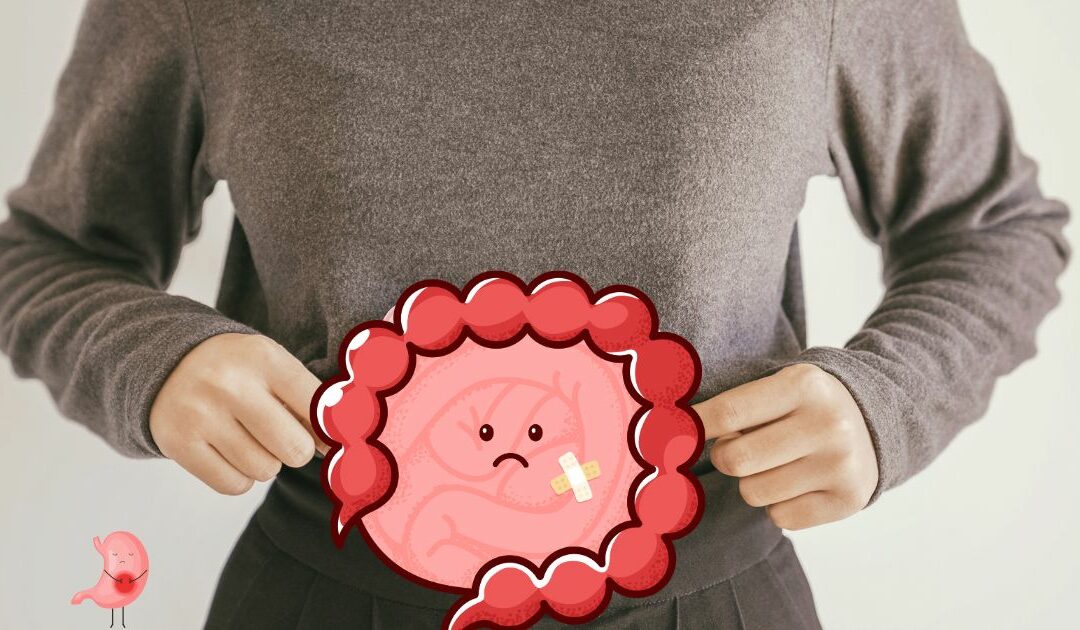
A healthy gut is crucial for overall well-being, yet many of us overlook the importance of our digestive health. Our gut, often referred to as our second brain, plays a significant role in our immune system, mental health, and even the production of certain hormones. This intricate system is home to trillions of bacteria that not only aid in digestion but also influence a wide range of bodily functions. Therefore, its important to acknowledge any signs of unhealthy gut.
Ignoring the signs of an unhealthy gut can lead to various health issues, including chronic inflammation, autoimmune diseases, and even mental health disorders like anxiety and depression. Moreover, an imbalanced gut can disrupt the delicate ecosystem of microorganisms, leading to dysbiosis, which can exacerbate digestive issues and compromise your overall health. Here are six key signs of unhealthy gut and needs some attention.
Table of Contents
1. Frequent Digestive Discomfort
One of the most obvious signs of an unhealthy gut is frequent digestive discomfort. This can include symptoms like bloating, gas, constipation, diarrhea, or heartburn. If you’re experiencing these symptoms regularly, it could be a sign that your gut microbiome is out of balance. The trillions of microbes in your gut play a critical role in both digestion and keeping you healthy. Disruptions in this delicate balance can trigger digestive issues.
To improve your gut health, consider incorporating more fiber into your diet, staying hydrated, and avoiding processed foods. Probiotics, found in foods like yoghurt and kefir, can also help restore a healthy balance of bacteria in your gut.

2. Unintentional Weight Changes
If you notice sudden, unexplained weight changes, your gut health might be to blame. An unhealthy gut can impair your body’s ability to absorb nutrients, regulate blood sugar, and store fat. This can lead to weight gain or weight loss without any significant changes to your diet or exercise routine.
Improving your gut health can help stabilize your weight. Focus on eating a balanced diet rich in whole foods, and consider adding prebiotics and probiotics to support a healthy gut microbiome.
3. Skin Irritations and Conditions
Your skin frequently mirrors the state of your internal health. Conditions like acne, eczema, and psoriasis can be linked to poor gut health. An imbalance in your gut bacteria can cause inflammation, which may manifest as skin issues.
To support both your gut and skin health, reduce your intake of refined sugars and processed foods. Increasing your intake of anti-inflammatory foods, such as leafy greens, berries, and fatty fish, can also help.
4. Frequent Infections and Weakened Immunity
Your gut isn’t just for digestion – it houses a large network of immune cells that help fight off invaders. An unhealthy gut can weaken your immune response, making you more susceptible to infections, colds, and flu. If you find yourself falling ill more often than usual, it might be time to focus on improving your gut health.
Eating a variety of fruits and vegetables, which are high in vitamins and antioxidants, can help boost your immune system. Fermented foods like sauerkraut, kimchi, and miso are also beneficial for gut health and can enhance your immune function.
5. Chronic Fatigue and Sleep Disturbances
There’s a strong connection between your gut health and your sleep patterns. An unhealthy gut can lead to sleep disturbances and even chronic fatigue. This is partly because the gut produces a significant amount of serotonin, a hormone that affects mood and sleep. An imbalance in your gut microbiome can disrupt the production of serotonin, leading to sleep issues.
To improve your sleep and gut health, consider a diet that includes complex carbohydrates, lean proteins, and plenty of fiber. Regular exercise and a consistent sleep routine can also help.

6. Food Intolerances and Sensitivities
Food intolerances arise when your gut struggles to digest specific foods, differing from food allergies, which trigger an immune response. Food intolerances can cause common symptoms such as bloating, gas, diarrhea, and stomach pain.
Identifying and eliminating foods that cause discomfort can improve your gut health. Keeping a food diary can help you track which foods trigger symptoms. Additionally, incorporating digestive enzymes and probiotics may assist in improving your digestion.
Improving Signs of Unhealthy Gut and Overall Gut Health
It is essential to maintain a healthy gut for your overall well-being. Here are some additional tips to help you keep your gut in good shape:
- Eat a Diverse Range of Foods: A varied diet leads to a more diverse microbiome, which is beneficial for your health.
- Stay Hydrated: Drinking plenty of water is crucial for the health of the mucosal lining of the intestines and for the balance of good bacteria in the gut.
- Manage Stress: Your gut health can also be negatively impacted by chronic stress. Activities such as meditation, deep breathing, and yoga can effectively lower stress levels.
- Avoid Antibiotics Unless Necessary: While antibiotics can be essential for treating bacterial infections, overuse can harm your gut microbiome. For antibiotics to work effectively, it’s crucial to follow your healthcare provider’s instructions completely.
- Exercise Regularly: Physical activity promotes healthy digestion and can positively affect the composition of your gut microbiome.
- Get Enough Sleep: Quality sleep is crucial for overall health, including gut health. Prioritize getting a solid 7-8 hours of uninterrupted sleep each night a key part of your wellness routine.
By paying attention to these signs and making the necessary lifestyle changes, you can support your gut health and, in turn, enhance your overall well-being.
FAQs
How can I tell if my gut health is improving?
Improvement in gut health is often indicated by reduced digestive discomfort, more regular bowel movements, better sleep, improved mood, and clearer skin.
Can poor gut health affect mental health?
Yes, poor gut health can affect mental health due to the gut-brain connection. An imbalance in gut bacteria can influence mood and cognitive function.
Are probiotics necessary for good gut health?
While not always necessary, probiotics can be beneficial, especially after antibiotic use or if you have symptoms of gut imbalance.
What foods are best for gut health?
Fiber-rich foods, including fruits, vegetables, whole grains, and legumes, are highly beneficial for gut health. Fermented foods and foods rich in prebiotics are also beneficial.
Can stress really affect my gut?
Yes, stress can significantly impact gut health, leading to issues like irritable bowel syndrome (IBS) and other digestive problems.
This article is intended for general informational purposes only and is not a substitute for professional medical advice, diagnosis, or treatment. Please consult with a qualified healthcare provider with any questions you have regarding any medical condition. Never disregard professional medical advice or delay in seeking it because of something you have read on this website.