

What are the best probiotics in South Africa? What are prebiotics? When it comes to gut health, prebiotics and probiotics often come up in conversation. They sound similar, but they play different roles in maintaining a healthy digestive system. If you’re confused about what they are and how they work, don’t worry—this article breaks down everything you need to know about prebiotics and probiotics, explaining their benefits, sources, and the best ways to incorporate them into your diet.
Table of Contents
Understanding Probiotics
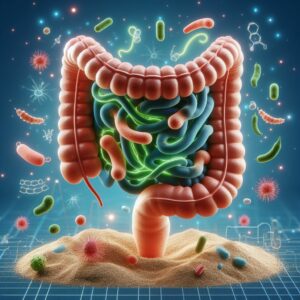
Probiotics consist of living microorganisms, mainly certain types of bacteria and yeast, that can provide health benefits when taken in sufficient quantities. Often referred to as “good bacteria,” probiotics are naturally found in the human body, particularly in the gut, but can also be taken as dietary supplements or found in certain foods like yogurt and sauerkraut. The primary goal of probiotics is to maintain a balanced gut microbiome, the community of microorganisms living in our digestive system.
How Probiotics Work
Probiotics contribute to gut health by restoring beneficial bacteria to the digestive system. A balanced gut microbiome is essential for proper digestion, effective nutrient absorption, and a well-functioning immune system. Probiotics can help balance out the negative effects of bad bacteria, especially after antibiotic use or an illness that disrupts gut health. They also support the production of essential vitamins and fatty acids, enhancing overall digestive function.
Common Probiotic Foods and Supplements
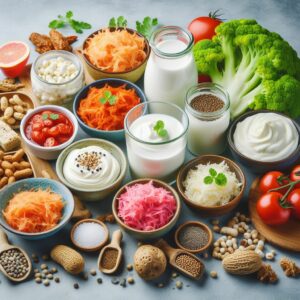
If you’re interested in adding probiotics to your diet, you’re in luck—there are plenty of food sources to choose from. Below are some of the more common ones:
- Yogurt: Made by fermenting milk with specific bacterial cultures, yogurt is one of the most popular probiotic foods.
- Kefir: A fermented milk drink that contains a variety of beneficial bacteria and yeast.
- Sauerkraut and Kimchi: Fermented vegetables that are rich in probiotics and offer unique flavors.
- Miso: is a classic Japanese paste crafted from fermented soybeans.
- Tempeh: A fermented soy product with a nutty flavor and firm texture.
If you prefer supplements, you’ll find a wide range of some of the best probiotics in South Africa in capsules, tablets, and powders in health food stores and pharmacies. These supplements vary in bacterial strains and potency, so choose one that aligns with your health goals and consult your healthcare provider if you’re unsure.
Understanding Prebiotics
Prebiotics, on the other hand, are not live bacteria but rather dietary fibers that serve as food for probiotics and other beneficial gut bacteria. These fibers are resistant to digestion in the stomach and small intestine, reaching the colon intact, where they nourish the existing gut microbiome. By providing this nourishment, prebiotics help maintain and promote the growth of beneficial bacteria, supporting a balanced gut environment.
How Prebiotics Work
Prebiotics help create an environment where probiotics can thrive. They do this by fermenting in the colon, releasing short-chain fatty acids (SCFAs) like butyrate, acetate, and propionate. These SCFAs have various health benefits, including providing energy to colon cells, reducing inflammation, and supporting a healthy immune system.
Common Prebiotic Foods
Prebiotics are naturally found in many plant-based foods. Here’s a list of some common prebiotic-rich foods:
- Bananas: A convenient source of prebiotics that are easy to incorporate into your diet.
- Onions and Garlic: These kitchen staples contain inulin, a well-known prebiotic fiber.
- Asparagus and Leeks: These vegetables are also high in inulin and add great flavor to meals.
- Chicory Root: Often used as a coffee substitute, chicory root is rich in prebiotics.
- Jerusalem Artichokes: These knobby vegetables are also called sunchokes and are high in prebiotic fiber.
Prebiotics and Probiotics: A Perfect Pair
The relationship between prebiotics and probiotics is symbiotic. Prebiotics provide the food that probiotics need to flourish. Without prebiotics, probiotics would struggle to survive and do their job effectively. This synergy is why many experts recommend consuming a balanced diet rich in both prebiotics and probiotics to promote optimal gut health.
How to Add Prebiotics and Probiotics into Your Diet
If you’re looking to improve your gut health, the best approach is to include a variety of prebiotic and probiotic foods in your diet. Here’s a basic plan to set you on your way:
- Start with Probiotics: Add a serving of probiotic-rich food, like yogurt or kefir, to your breakfast or as a snack. This encourages the growth of good bacteria in your gut.
- Add Prebiotics to Your Meals: Incorporate prebiotic foods, like bananas, onions, or asparagus, into your meals. These foods will help nourish the probiotics and support a healthy gut environment.
- Mix and Match: Create meals that include both prebiotic and probiotic foods. For example, you could add banana slices to yogurt or mix sauerkraut into a salad with onions and leeks.
- Consider Supplements: If you’re struggling to get enough prebiotics or probiotics from food, consider taking a supplement. Be sure to choose high-quality products and consult with a healthcare provider for guidance.
Conclusion
Prebiotics and probiotics play essential roles in maintaining a healthy gut and overall well-being. While probiotics introduce beneficial bacteria to your system, prebiotics provide the fuel these bacteria need to thrive. By including a variety of prebiotic and probiotic foods in your diet, you can create a harmonious environment in your gut, leading to improved digestion, enhanced immunity, and a greater sense of overall health.
FAQs: Prebiotics and Probiotics
What are the benefits of probiotics?
Probiotics support a healthy gut microbiome, aid digestion, boost immunity, and may help reduce symptoms of digestive disorders like irritable bowel syndrome (IBS) and inflammatory bowel disease (IBD).
Can prebiotics and probiotics help with weight loss?
While prebiotics and probiotics can support a healthy gut, which in turn may aid in weight management, they are not a guaranteed solution for weight loss. Maintaining a balanced diet and engaging in regular exercise are crucial for managing weight.
Are there any side effects of taking probiotics?
Some people may experience mild digestive discomfort, such as gas or bloating, when first taking probiotics. These side effects usually subside as the body adjusts to the increased bacteria. If they persist, consult a healthcare provider.
Can I take prebiotics and probiotics together?
Yes, taking prebiotics and probiotics together is not only safe but often beneficial. Prebiotics provide the nourishment that probiotics need to thrive, creating a supportive environment for a healthy gut.
Are there any risks associated with prebiotics?
Prebiotics are generally safe, but consuming them in large quantities might cause bloating or gas. As with any dietary changes, start slowly and increase your intake gradually to allow your digestive system to adjust.
This article is intended for general informational purposes only and is not a substitute for professional medical advice, diagnosis, or treatment. Please consult with a qualified healthcare provider with any questions you have regarding any medical condition. Never disregard professional medical advice or delay in seeking it because of something you have read on this website.