
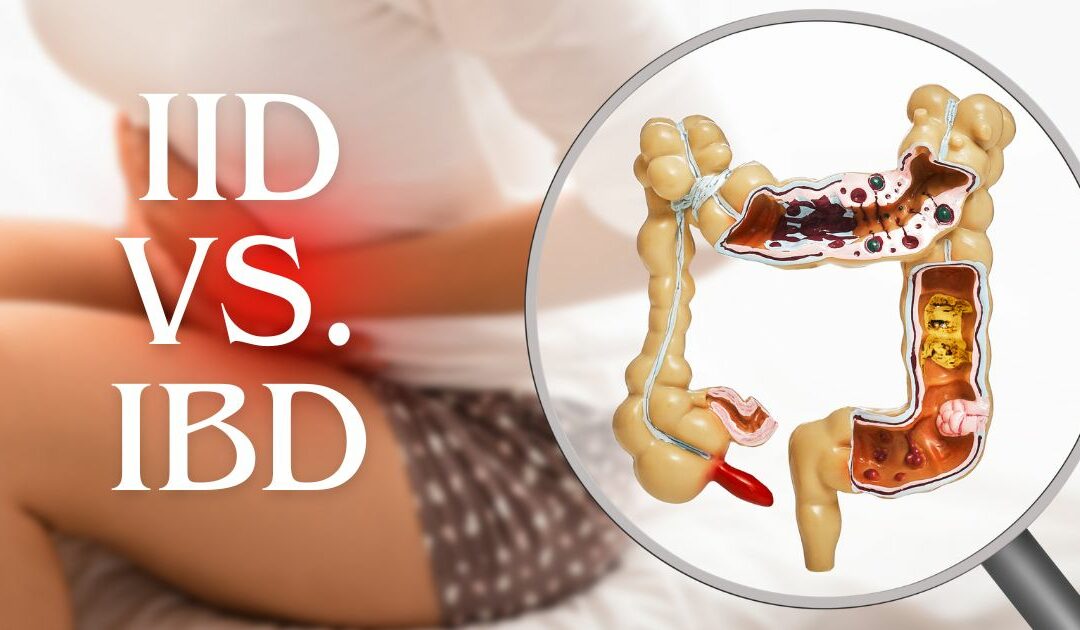
Health issues related to the intestines can be confusing, especially when it comes to Intestinal Inflammatory Disease (IID) and Inflammatory Bowel Disease (IBD). While these terms may seem interchangeable, they refer to distinct conditions with unique causes, symptoms, and treatments. In this article, we will explore the differences between IID and IBD, delve into their individual characteristics, and provide insights into what these conditions means and what they are.
Table of Contents
What is Intestinal Inflammatory Disease?
IID refers to a broad spectrum of inflammatory disorders affecting the intestines. These disorders can be triggered by various factors, including infections, autoimmune reactions, and environmental influences. The inflammation in IID can be acute or chronic, depending on the underlying cause and the body’s response.
Causes of Intestinal Inflammatory Disease
- Infections: Bacterial, viral, or parasitic infections can cause inflammation in the intestines, leading to IID. For example, infections from E. coli or Salmonella can trigger an acute inflammatory response.
- Autoimmune Reactions: In some cases, the body’s immune system mistakenly attacks the intestinal lining, causing chronic inflammation.
- Environmental Factors: Diet, stress, and even exposure to toxins/pollutants can also contribute to the development of IID.
Symptoms of Intestinal Inflammatory Disease
The symptoms of IID can vary greatly depending on the cause. Common symptoms include:
- Abdominal pain and cramping
- Diarrhea or constipation
- Bloating and gas
- Fatigue
- Weight loss
What is Inflammatory Bowel Disease?
IBD is a specific type of intestinal inflammatory disorder that includes two main conditions: Crohn’s disease and ulcerative colitis. These chronic conditions are characterized by prolonged inflammation of the digestive tract, which can lead to severe complications if left untreated.
Causes of Inflammatory Bowel Disease
- Genetics: Like with most medical conditions, family history is a significant factor in developing IBD. Genetic mutations can predispose individuals to Crohn’s disease or ulcerative colitis.
- Immune System Dysfunction: In IBD, the immune system attacks the digestive tract, leading to chronic inflammation. The exact trigger for this immune response is unclear but may involve a combination of genetic and environmental factors.
- Environmental Triggers: Diet, stress, smoking, and exposure to pollutants can exacerbate IBD symptoms and contribute to flare-ups.
Symptoms of Inflammatory Bowel Disease
IBD symptoms are often severe and can significantly impact a person’s quality of life. Common symptoms include:
- Persistent diarrhea
- Abdominal pain and cramping
- Bloody stools (more common in ulcerative colitis)
- Unintended weight loss
- Fatigue and weakness
IID vs. IBD: Key Differences
- Specificity: IID is a general term encompassing various inflammatory disorders, while IBD specifically refers to Crohn’s disease and ulcerative colitis.
- Causes: IID can be triggered by infections, autoimmune reactions, or environmental factors, whereas IBD is primarily linked to genetic factors and immune system dysfunction.
- Symptoms: While symptoms can overlap, IBD tends to cause more severe and chronic symptoms, such as persistent diarrhea and bloody stools.
- Treatment: IID treatment varies depending on the cause, ranging from antibiotics for infections to lifestyle changes. IBD often requires a combination of medication, lifestyle adjustments, and potentially surgery.
Diagnosing IID and IBD
To diagnose IID or IBD, healthcare professionals may use the following methods:
- Medical History: Doctors will review the patient’s medical history and family background to assess genetic predispositions.
- Physical Examination: A thorough physical exam can help identify signs of inflammation and other abnormalities.
- Laboratory Tests: Blood tests, stool tests, and other laboratory analyses can reveal signs of infection, inflammation, or other abnormalities.
- Imaging: Endoscopy, colonoscopy, and imaging techniques like CT scans or MRIs can help visualize inflammation and assess the extent of intestinal damage.
Treatment Options for IID and IBD
- Medication: Anti-inflammatory drugs, immunosuppressants, and antibiotics can help reduce inflammation and manage symptoms.
- Lifestyle Changes: Dietary adjustments, stress management, and avoiding trigger foods can help prevent flare-ups and manage symptoms.
- Surgery: In severe cases of IBD or IID with complications, surgical intervention may be necessary to remove damaged portions of the intestines.
Living with IID and IBD
Managing IID and IBD requires a multifaceted approach. Here are some strategies:
- Dietary Management: A balanced diet, rich in fiber and low in trigger foods, can help manage symptoms and prevent flare-ups.
- Stress Management: Practices like meditation, yoga, and mindfulness can reduce stress, which can trigger or exacerbate symptoms.
- Regular Medical Checkups: Regular visits to a healthcare professional can help monitor the condition and adjust treatments as needed.
Prevention Strategies for IID and IBD
- Healthy Diet: Consuming a balanced diet, rich in fruits, vegetables, and whole grains, can help prevent intestinal inflammation.
- Exercise: Regular physical activity can improve overall health and reduce the risk of inflammation-related conditions.
- Avoiding Triggers: Identifying and avoiding dietary and environmental triggers can help prevent flare-ups and manage symptoms.
Conclusion
Understanding the differences between Intestinal Inflammatory Disease (IID) and Inflammatory Bowel Disease (IBD) is crucial for effective diagnosis and treatment. IID is a broad term encompassing various inflammatory disorders, while IBD specifically refers to Crohn’s disease and ulcerative colitis. Despite their differences, both conditions require comprehensive management, including medication, lifestyle changes, and potentially surgery. By understanding these conditions and adopting a proactive approach, individuals can manage their symptoms, improve their quality of life, and reduce the risk of complications.
This article is intended for general informational purposes only and is not a substitute for professional medical advice, diagnosis, or treatment. Please consult with a qualified healthcare provider with any questions you have regarding any medical condition. Never disregard professional medical advice or delay in seeking it because of something you have read on this website.