

Leaky Gut Syndrome, a term that often circulates in health and wellness circles, seems to be growing in notoriety. But what exactly is this condition, and why does it matter to your health? Learning leaky gut syndrome symptoms can help you understand if it’s time to see a doctor. This article aims to demystify Leaky Gut Syndrome, shedding light on its implications, identifying the signs and symptoms, and offering a clear, easy-to-understand exploration of this health issue.
Table of Contents
Understanding Leaky Gut Syndrome
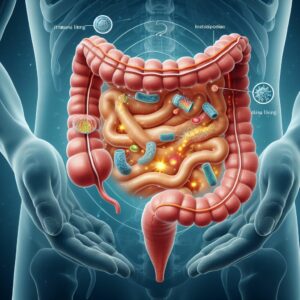
Leaky Gut Syndrome, medically known as “intestinal permeability,” is a condition where the lining of the small intestine becomes damaged, allowing bacteria, toxins, and partially digested food particles to “leak” through the intestinal walls into the bloodstream. This breach can potentially trigger an autoimmune response, leading to systemic inflammation and a cascade of health issues that can affect the entire body.
The Role of the Intestinal Barrier
The intestines are not just for digesting food. They also serve as a critical barrier controlling what gets absorbed into the bloodstream. Healthy intestines selectively absorb nutrients and block harmful substances. When this barrier is compromised, substances that are normally blocked can enter the body, which may lead to various health problems.
Causes of Leaky Gut
There are a few factors that may contribute to the development of Leaky Gut Syndrome Symptoms:
- Medications: Certain medications, including NSAIDs (like ibuprofen) and antibiotics, can disrupt the gut flora and intestinal lining.
- Diet: Eating foods with high amounts of refined sugars, preservatives, and saturated fats can irritate the intestine.
- Stress: Chronic stress is known to weaken the immune system and can affect gut health.
- Yeast Overgrowth: An overgrowth of yeast in the gut can also lead to increased intestinal permeability.
- Environmental Toxins: Exposure to toxins such as pesticides and heavy metals can damage the gut lining.
Leaky Gut Syndrome Symptoms
Recognizing the signs of Leaky Gut Syndrome can be tricky due to its broad range of symptoms, which can often mimic other conditions. Let’s take a look at some of the most common signs to watch for:
Digestive Issues
Common digestive symptoms include chronic diarrhea, constipation, gas, or bloating. These are often the first indicators of a problem with gut health.
Food Sensitivities
As the gut becomes more permeable, the body may start to react to foods that were previously tolerated, leading to food sensitivities or allergies.
Chronic Fatigue
Persistent fatigue that isn’t alleviated by rest may be a sign of Leaky Gut, as the body’s immune response can lead to chronic tiredness.
Skin Problems
Conditions like acne, eczema, or rosacea can develop or worsen due to poor gut health, reflecting the body’s internal struggle with toxins.
Joint Pain
Inflammation caused by a leaky gut can lead to systemic issues such as joint pain or swelling.
Autoimmune Diseases
Leaky Gut Syndrome has been linked with an increased vulnerability to autoimmune diseases, where the body’s immune system attacks its own tissues.

Diagnosing Leaky Gut
Diagnosing Leaky Gut can be challenging as there is no standardized test to specifically pinpoint this condition. Health professionals may rely on a combination of symptom assessment, dietary analysis, and specific tests to rule out other conditions. Measures may include blood tests for nutrient deficiencies and markers of inflammation, stool tests to check gut bacteria levels, and tests for the presence of yeast or parasites.
Managing and Treating Leaky Gut
Dietary Changes
Adopting a gut-friendly diet is crucial. This involves reducing the intake of irritants like caffeine, alcohol, and refined sugars, and increasing fiber, fermented foods, and essential fatty acids which support gut health.
Supplements
Certain supplements, including probiotics, L-glutamine, and omega-3 fatty acids, can help repair the gut lining and restore the balance of gut flora.
Stress Management
Techniques such as yoga, meditation, and regular exercise can reduce stress and improve gut health.
Avoiding Certain Medications
Under medical supervision, reducing or avoiding the use of NSAIDs and antibiotics can help maintain gut integrity.
Conclusion
Leaky Gut Syndrome remains a somewhat controversial topic in medicine due to its complex nature and broad spectrum of symptoms. However, the growing recognition of gut health as a cornerstone of overall health means that conditions like Leaky Gut are gaining more attention. By understanding the signs and symptoms, you can take proactive steps to maintain or restore your gut health, thereby supporting your overall well-being. If you suspect you have Leaky Gut Syndrome, consult with a healthcare provider to discuss the best course of action tailored to your health needs.
Understanding your body and its reactions to different stimuli is key to maintaining a healthy gut and a vibrant, energetic life. Remember, your gut health is a critical aspect of your overall health and well-being, so take good care of it!
This article is intended for general informational purposes only and is not a substitute for professional medical advice, diagnosis, or treatment. Please consult with a qualified healthcare provider with any questions you have regarding any medical condition. Never disregard professional medical advice or delay in seeking it because of something you have read on this website.