

Natural gut health supplements have become the talk of the town as more people realize that good health starts with a happy gut. It’s no wonder that grocery stores and health shops are brimming with probiotics, prebiotics, and a plethora of herbs and extracts designed to keep your gut in top shape. But with so many options, how do you know what really works? Let’s break it down, shall we?
Table of Contents
Why Gut Health Matters?
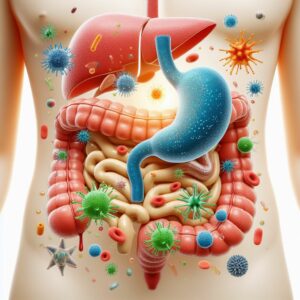
Your gut is more than just a food-processing machine. It’s like a bustling city with trillions of microscopic inhabitants—bacteria, yeasts, and other microorganisms, collectively known as the gut microbiome. This community plays a huge role in digesting food, absorbing nutrients, and even regulating your immune system. When your gut is out of balance, it can lead to a variety of issues, from bloating and indigestion to more serious problems like irritable bowel syndrome (IBS) and inflammatory bowel disease (IBD).
What Makes a Healthy Gut?
A healthy gut is all about balance. You want a diverse array of beneficial bacteria and other microorganisms to keep everything running smoothly. When harmful bacteria or yeast overtake the good guys, that’s when trouble starts. Symptoms like bloating, gas, and diarrhea can rear their ugly heads. The key to a happy gut is maintaining that delicate balance. That’s where natural gut health supplements come in.
Probiotics: The Good Bacteria
Probiotics are the poster child of gut health supplements. These live bacteria and yeasts are like tiny superheroes for your gut. They can help restore balance when things go awry, whether due to stress, illness, or antibiotics. The most common probiotics come from the Lactobacillus and Bifidobacterium families, but there are many others out there.
When choosing a probiotic supplement, it’s essential to look for strains backed by science. Some probiotics have specific benefits, like improving digestion, boosting immunity, or reducing symptoms of IBS. It’s also a good idea to pick a product with a high count of colony-forming units (CFUs), as this indicates the potency of the supplement. You want to make sure the little guys are still alive by the time they reach your gut!
Prebiotics: Feeding the Good Bacteria
Probiotics need fuel to thrive, and that’s where prebiotics come in. Prebiotics are a kind of fiber that feeds the good bacteria in your gut, helping them thrive. You can find them in everyday foods like bananas, onions, garlic, and asparagus.. Prebiotic supplements are also widely available, often containing inulin or fructooligosaccharides (FOS).
Taking prebiotics along with probiotics can enhance their effectiveness. It’s like feeding your friendly neighborhood bacteria so they can do their job better. Just be aware that prebiotics can cause bloating and gas in some people, especially if you’re not used to eating much fiber.
Digestive Enzymes: Breaking It Down
Digestive enzymes are another type of gut health supplement worth mentioning. These enzymes help break down the food you eat, making it easier for your gut to absorb nutrients. Among the usual digestive enzymes, you’ll find amylase, which helps digest carbohydrates, protease for breaking down proteins, and lipase for tackling fats.
If you often experience indigestion or feel like food sits heavily in your stomach, a digestive enzyme supplement might be worth trying. It can help improve digestion and reduce bloating after meals. Just be sure to follow the dosage instructions on the packaging.
Herbal Supplements: Nature’s Soothers
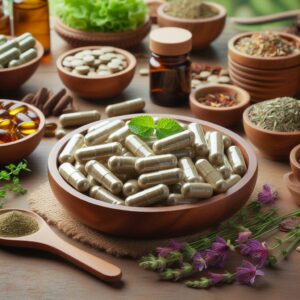
Many herbs have been used for centuries to support gut health. These natural remedies can have anti-inflammatory, antimicrobial, or soothing properties. Some popular herbal supplements for gut health include:
- Ginger: Known for its anti-inflammatory and anti-nausea effects, ginger can be a great addition to your gut health regimen.
- Peppermint: This herb has a calming effect on the digestive tract and can help relieve symptoms of IBS.
- Slippery Elm: This herb contains mucilage, a gel-like substance that coats and soothes the gut lining, reducing irritation.
- Chamomile: Chamomile is often used to calm an upset stomach and reduce inflammation.
When using herbal supplements, always check with a healthcare professional, especially if you’re on medication or have a medical condition. Certain herbs might interfere with medications or cause unwanted side effects.
Choosing the Right Gut Health Supplements
With so many options, finding the right gut health supplement can be a daunting task. Here are a few tips to help you choose:
- Identify Your Needs: Are you looking to improve digestion, boost immunity, or relieve symptoms of a specific condition? Knowing your goal will guide your choice.
- Check the Ingredients: Look for high-quality ingredients with scientific backing. Avoid supplements with unnecessary fillers or artificial additives.
- Read Reviews: Online reviews can give you insight into how a supplement has worked for others.
- Consult a Professional: When in doubt, ask a healthcare provider for advice.
Conclusion
Natural gut health supplements can be a valuable addition to your wellness routine. Whether you’re reaching for probiotics, prebiotics, digestive enzymes, or herbal remedies, it’s all about finding what works for you. Start with a simple approach, and don’t be afraid to experiment. Your gut will thank you!
This article is intended for general informational purposes only and is not a substitute for professional medical advice, diagnosis, or treatment. Please consult with a qualified healthcare provider with any questions you have regarding any medical condition. Never disregard professional medical advice or delay in seeking it because of something you have read on this website.