
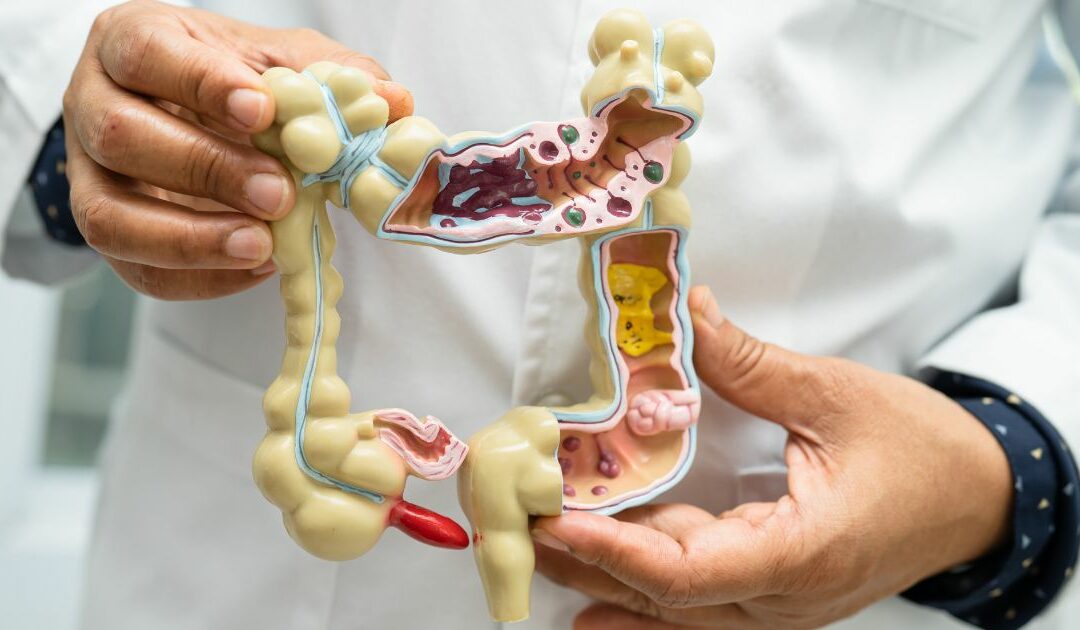
The human gut microbiome is a complex and dynamic ecosystem of microorganisms that resides in our gastrointestinal tract. This vast and intricate community consists of bacteria, archaea, viruses, fungi, and protozoa, each playing a pivotal role in our health and well-being. The understanding of the gut microbiome has grown exponentially in recent years, revealing its significant influence on digestion, immunity, metabolism, and even mental health. This article delves into the basics of the gut microbiome, exploring its composition, functions, influences on health, and how it interacts with various aspects of our lives.
Table of Contents
Composition of the Gut Microbiome
The gut microbiome is incredibly diverse, containing trillions of microorganisms. The composition of this microbiota varies significantly from person to person, influenced by factors such as diet, genetics, age, and environment. Despite this variability, certain dominant bacterial groups are commonly found across many individuals, including Firmicutes, Bacteroidetes, Actinobacteria, and Proteobacteria. These microorganisms coexist in a delicate balance, contributing to the gut’s overall function and health.
Functions of the Gut Microbiome
Digestion and Nutrition
One of the primary roles of the gut microbiome is to assist in the digestion of foods that the human body cannot digest on its own. It breaks down complex carbohydrates, fibers, and proteins, producing short-chain fatty acids (SCFAs) and other nutrients essential for our health. These SCFAs, such as butyrate, propionate, and acetate, serve as energy sources for our body cells and have various beneficial effects on health, including anti-inflammatory properties.

Immune System Modulation
The gut microbiome’s intricate network is vital in the immune system’s evolution and its capability to function properly. It helps train immune cells, distinguishing between harmless and harmful invaders, thus preventing unnecessary immune responses. Moreover, a healthy gut microbiome can enhance the production of antibodies and influence the activity of T cells, which are vital for immune defense.
Metabolic Regulation
The gut microbiome also impacts metabolic functions, influencing the body’s ability to extract energy from food and regulate fat storage. Research has shown links between the gut microbiome composition and conditions such as obesity, type 2 diabetes, and metabolic syndrome. For example, certain bacteria in the gut can affect how dietary fats are metabolized, potentially influencing weight gain and cholesterol levels.
Mental Health and the Gut-Brain Axis
Emerging research highlights the connection between the gut microbiome and mental health, often referred to as the gut-brain axis. This bi-directional communication pathway allows the gut microbiota to interact with the central nervous system, influencing brain function and behavior. For instance, the gut microbiome can produce neurotransmitters like serotonin and gamma-aminobutyric acid (GABA), which play crucial roles in mood regulation. Alterations in the gut microbiome composition have been associated with various neurological and psychiatric disorders, including depression, anxiety, and autism spectrum disorder.
Influences on the Gut Microbiome
Diet
Diet is one of the most significant factors affecting the composition of the gut microbiome. High-fiber diets, rich in fruits, vegetables, and whole grains, promote the growth of beneficial bacteria that produce SCFAs. Conversely, diets high in processed foods, sugars, and saturated fats can disrupt the microbial balance, leading to an increase in harmful bacteria.
Antibiotics and Medications
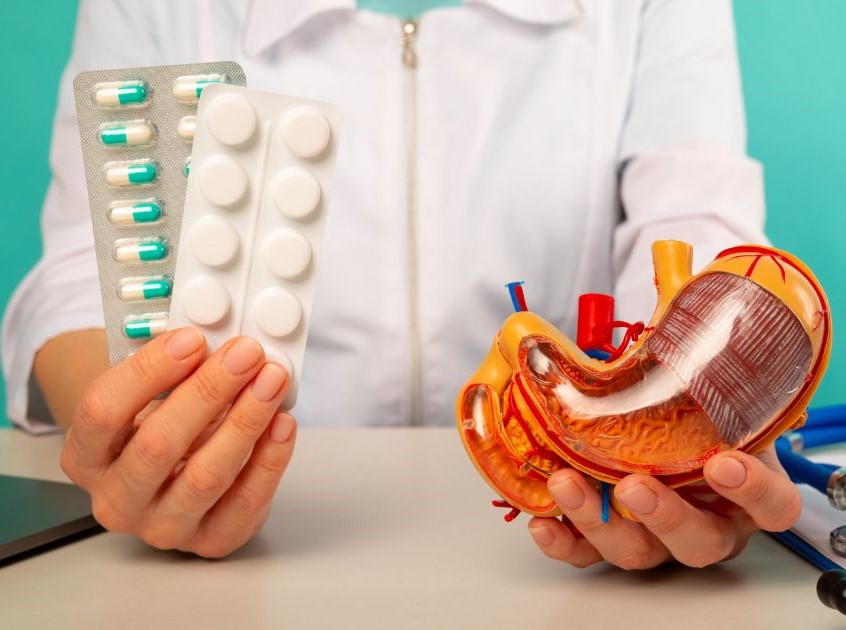
Antibiotics, while essential for treating bacterial infections, can have a profound impact on the gut microbiome, often reducing its diversity and altering its composition. Other medications, including proton pump inhibitors and non-steroidal anti-inflammatory drugs (NSAIDs), can also affect the gut microbiota.
Lifestyle Factors
Lifestyle factors, such as exercise, stress, and sleep, can influence the gut microbiome. Regular physical activity, for example, has been shown to increase the diversity of gut bacteria, which is associated with better health outcomes. Stress and inadequate sleep, on the other hand, can negatively affect the microbiome, potentially leading to dysbiosis, a microbial imbalance linked to various health conditions.
Modulating the Gut Microbiome for Better Health
Given the significant role of the gut microbiome in health, strategies to modulate its composition have gained attention. Probiotics, prebiotics, and synbiotics are among the interventions used to enhance gut health. Probiotics, which are live beneficial microbes, can provide health advantages when taken in sufficient quantities. Prebiotics are indigestible dietary components that fuel the expansion or efficacy of helpful bacteria within the intestinal tract. Synbiotics combine probiotics and prebiotics in a form that synergistically supports gut health.
Future Directions
A balanced gut microbiome is essential for optimal health, affecting everything from nutrient absorption and immune function to mental well-being and disease prevention.
The exploration of the gut microbiome is a rapidly evolving field, with ongoing research uncovering new insights into its complex relationship with health and disease. Future studies aim to develop personalized microbiome interventions, improve our understanding of microbiome
As research in this field continues to advance, the gut microbiome stands as a testament to the intricate connections between our environment, our choices, and our health, highlighting the importance of nurturing this invisible ecosystem within us for a healthier life.
This article is intended for general informational purposes only and is not a substitute for professional medical advice, diagnosis, or treatment. Please consult with a qualified healthcare provider with any questions you have regarding any medical condition. Never disregard professional medical advice or delay in seeking it because of something you have read on this website.